
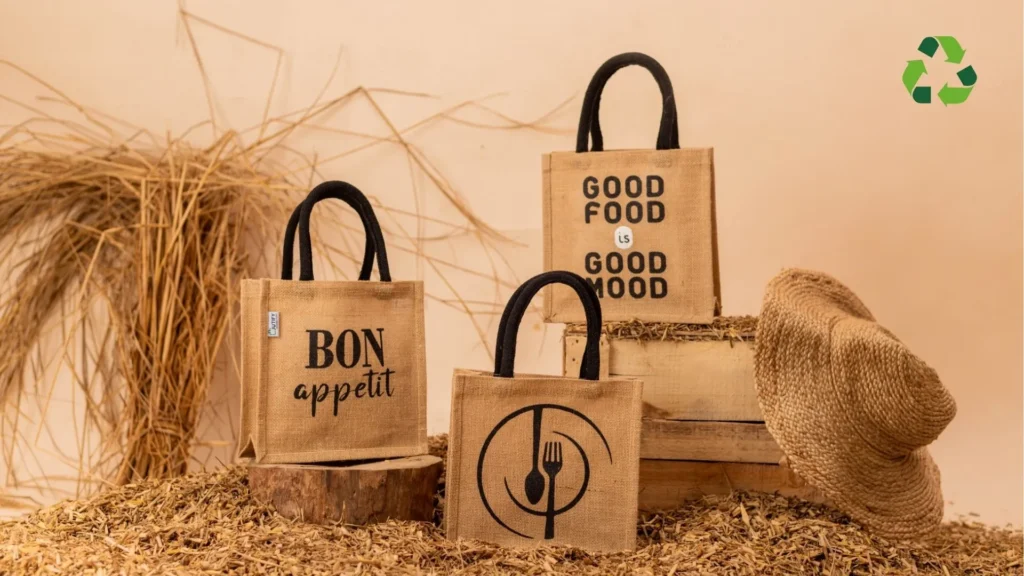
Why Retail Buyers Prefer Jute Over Paper & Plastic
Retail buyers prefer jute over paper and plastic because it is biodegradable, reusable, durable, and enhances brand perception. Unlike plastic and paper, jute supports sustainability goals, meets regulatory requirements, and offers better long-term value through repeated use—making it a smarter packaging choice for modern retail.
Retail packaging decisions are no longer based only on cost or convenience. Today’s buyers must balance environmental responsibility, brand image, customer expectations, and compliance—all at once.
As plastic faces bans and paper reveals its limitations, jute has emerged as the preferred alternative for retail packaging. This shift is not driven by trends, but by practical, long-term advantages that retail buyers can’t ignore.
The Shift in Retail Buying Behaviour
Retail buyers—whether sourcing for supermarkets, boutiques, gifting brands, or export-focused retailers—are under pressure from multiple directions:
- Consumers demanding eco-friendly packaging
- Governments tightening restrictions on plastic
- Brands competing on values, not just products
Jute is a natural plant-based fibre widely used for retail packaging due to its strength, biodegradability, and low environmental impact.
This combination makes jute uniquely suited for modern retail requirements.
1. Jute Supports Real Sustainability, Not Greenwashing
Plastic: Harmful and increasingly restricted
Paper: Biodegradable, but resource-intensive
Jute: Renewable, biodegradable, and low-impact
Plastic remains non-biodegradable and environmentally damaging. Paper, while recyclable, requires extensive water use, chemicals, and deforestation during production.
Jute, on the other hand:
- Grows annually with minimal water and fertilizers
- Absorbs carbon dioxide during cultivation
- Decomposes naturally without polluting soil or water
For retail buyers, jute offers verifiable sustainability—not just a green label.
2. Jute Instantly Improves Brand Perception
Packaging is often the first physical interaction a customer has with a brand.
- Plastic feels disposable
- Paper feels temporary
- Jute feels premium, responsible, and intentional
Customers associate jute packaging with:
- Ethical brands
- Premium quality
- Environmental awareness
Because jute bags are reused multiple times, they continue to promote the brand long after the purchase—something paper and plastic rarely achieve.
3. Superior Durability for Real-World Retail Use
Retail buyers must think beyond aesthetics. Packaging must perform reliably.
| Material | Load Capacity | Reusability | Failure Risk |
|---|---|---|---|
| Plastic | Medium | Low | Tears easily |
| Paper | Low–Medium | Very low | Weak when wet |
| Jute | High | Very high | Extremely durable |
Jute bags handle heavier items such as groceries, bottles, apparel, and bulk products without tearing or deforming.
For buyers, this means:
- Fewer customer complaints
- Lower replacement costs
- Better in-store and takeaway performance
4. Paper Is Not as Eco-Friendly as It Appears
Paper is often seen as a safe alternative to plastic, but retail buyers increasingly understand its drawbacks:
- High water consumption
- Chemical-intensive processing
- Limited reuse
- Short lifecycle
Jute offers a more complete environmental solution—supporting both sustainability goals and practical retail use.
5. Regulatory & Export Compliance Advantages
Many regions now:
- Ban single-use plastic
- Impose environmental taxes
- Enforce sustainable packaging norms
Retail buyers supplying to international or export markets prefer jute because it is widely accepted and rarely restricted.
Choosing jute reduces regulatory uncertainty and future-proofs packaging investments.
6. Strong Customisation & Branding Potential
Modern retail packaging must align with brand identity.
Jute supports:
- Logo printing and brand colours
- Custom sizes and handle styles
- Laminated and non-laminated finishes
Compared to paper, jute holds its structure and print quality longer, ensuring consistent brand representation across repeated use.
Read More: https://www.jutify.com/how-jute-bags-can-boost-your-brand-visibility/
7. Better Long-Term Cost Efficiency
While jute bags may cost slightly more upfront, retail buyers assess cost per use, not cost per unit.
A jute bag reused 20–30 times delivers significantly more value than:
- A plastic bag used once
- A paper bag used twice
Over time, jute becomes the most economical packaging option, especially for brands focused on durability and customer experience.
8. Consumer Preference Is Driving the Change
Today’s consumers actively support brands that:
- Reduce plastic usage
- Use sustainable materials
- Demonstrate environmental responsibility
Retail buyers are responding because packaging choices now directly influence customer loyalty and purchasing decisions.
Jute allows brands to meet expectations without additional explanation or marketing effort.
Read More: https://www.jutify.com/the-role-of-jute-in-reducing-plastic-waste/
Why Jute Is Becoming the Default Choice for Retail Buyers
Retail buyers prefer jute over paper and plastic because it delivers:
- Genuine sustainability
- Premium brand perception
- High durability
- Regulatory safety
- Long-term cost efficiency
- Positive consumer response
This is not a passing trend—it’s a fundamental shift in retail packaging strategy.
Looking for a Reliable Jute Manufacturing Partner?
If you’re a retail buyer, brand, or distributor sourcing sustainable packaging, partnering with an experienced jute manufacturer in India ensures quality, compliance, and reliable bulk supply.
Jutify manufactures and exports custom jute bags for retail brands worldwide—designed for durability, branding impact, and sustainability standards.
👉 Choose Jutify to future-proof your retail packaging with responsibly made jute solutions that customers reuse, trust, and remember.