
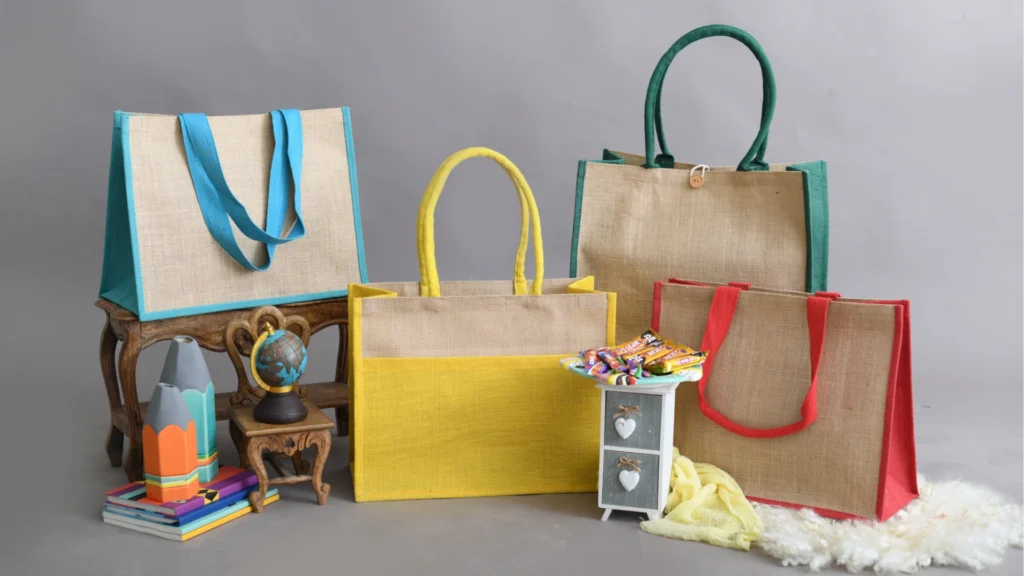
The retail industry is undergoing one of its biggest transformations. As sustainability becomes a global priority—and consumer expectations evolve—custom eco packaging is shifting from being a “nice to have” to a core retail strategy. In 2026, the brands that win will be the ones that rethink packaging not just as a cost, but as a value driver, brand asset, and sustainability tool.
This guide explains how eco-friendly packaging will reshape retail in 2026, based on industry trends, customer behavior, supply-chain innovation, and regulatory shifts.
What Is Custom Eco Packaging?
Custom eco packaging is packaging designed using sustainable materials (like jute, cotton, kraft paper, biodegradable polymers) while being tailored to a brand’s size, design, and functionality requirements.
It focuses on:
- Lower carbon footprint
- Reusability or recyclability
- Waste reduction
- Better unboxing experience
- Stronger brand identity
In 2026, this will no longer be optional—it will be standard.
Why Custom Eco Packaging Will Matter More Than Ever in 2026
1. Sustainability Will Become a Purchase Deciding Factor
Consumers across Europe, Australia, and India are shifting to eco-conscious brands. Studies show that by 2026:
- 75% of shoppers will prefer brands offering sustainable packaging
- Retailers using biodegradable or reusable materials will get higher brand trust
- Packaging with eco labels will improve conversion rates across e-commerce
Plastic packaging will rapidly lose acceptance as regulations tighten and customers demand cleaner alternatives.
2. Global Regulations Will Push Retailers to Switch
Governments are enforcing strict packaging laws:
- EU’s Packaging and Packaging Waste Regulation (PPWR)
- India’s Plastic Waste Management Amendment
- Australia’s 2030 National Packaging Targets
By 2026, retailers will be required to reduce virgin plastic, use compostable materials, and adopt traceable packaging systems.
Custom eco packaging gives retailers compliance without compromising brand identity.
3. Brands Will Use Packaging as a Marketing Tool
In 2026, unboxing will remain one of the most powerful digital touchpoints—especially for e-commerce. Retailers will invest in:
- Printed jute and cotton bags
- Branded kraft mailers
- Custom eco pouches
- Reusable tote bags
These packaging formats improve:
- Brand recall
- Social media shareability
- Perceived product value
- Customer loyalty
Eco packaging is no longer just utility—it is part of the customer experience journey.
4. Rising Demand for Reusable Packaging
Consumers are shifting from “use and throw” to “use and keep.”
Reusable formats like:
- Jute shopping bags
- Cotton tote bags
- Drawstring gift bags
- Fabric pouches
…will become mainstream because they:
- Reduce waste
- Stay with the customer longer
- Earn brands recurring visibility
- Offer better ROI than single-use packaging
By 2026, reusable packaging will be the fastest-growing segment in retail packaging.
5. Cost Efficiency Will Drive Bulk Adoption
Many retailers assume eco materials cost more. But in 2026:
- Material innovations will reduce costs
- Bulk sourcing from manufacturers (like Jutify in India) will make it affordable
- Long-term reuse will reduce per-customer cost
- Lower shipping weight will cut logistics expenses
Retailers will shift to custom eco packaging not only for sustainability—but for operational efficiency.
How Eco Packaging Will Transform Different Retail Categories in 2026
Fashion Retail
Fashion brands will adopt:
- Printed cotton bags for shipping
- Reusable jute shopper bags
- Eco gift packaging during seasons
These improve brand appeal and support carbon-neutral fashion initiatives.
Beauty & Cosmetics
Beauty brands will use:
- Kraft paper tubes
- Compostable mailers
- Eco-friendly gift boxes
These help brands align with clean beauty standards.
Grocery & FMCG
Supermarkets and organic stores will rely on:
- Fabric carry bags
- Recycled kraft pouches
- Compostable film packaging
Reusable bags will replace single-use plastic at checkout counters globally.
Gifting & Corporate Retail
Corporate gifting will move to:
- Custom jute hampers
- Printed reusable carry bags
- Eco fabric pouches
Brands will prefer sustainable packaging to align with ESG and CSR commitments.
E-Commerce
E-commerce brands will lead the shift through:
- Low-waste, lightweight eco materials
- Custom-printed mailer bags
- Reusable packaging options
- Minimalistic aesthetic designs
This improves delivery experience, reduces returns, and strengthens brand value.
Key Eco Materials That Will Dominate Retail Packaging in 2026
1. Jute
- 100% biodegradable
- Highly durable
- Perfect for shopping bags and gift bags
2. Cotton
- Washable and reusable
- Premium look
- Ideal for branded totes and pouches
3. Kraft Paper
- Lightweight
- Recyclable
- Ideal for mailers and boxes
4. Organic Fabric Blends
- Made from natural fibers
- Best for luxury retail
5. Compostable Bioplastics
- For packaging requiring moisture resistance
Retailers choosing these materials will meet global compliance and consumer expectations.
Benefits Retailers Will Experience with Custom Eco Packaging
✔️ Higher Customer Loyalty
Eco-conscious brands attract repeat customers and build trust.
✔️ Stronger Brand Positioning
Packaging becomes a long-term brand asset, not a single-use cost.
✔️ Lower Carbon Footprint
Sustainable materials reduce environmental impact significantly.
✔️ Better Unboxing & User Experience
Custom designs enhance delivery experience and social media engagement.
✔️ Compliance With Future Regulations
Brands stay legally safe and future-ready.
How Retailers Can Prepare for 2026 Now
1. Start with One Product Category
Pilot eco packaging for a single product line to measure:
- Cost
- Customer response
- Reorder rate
Then scale.
2. Partner With a Reliable Eco Packaging Manufacturer
Work with manufacturers offering:
- Custom size and print
- High-quality fabric
- Fast delivery
- Export-friendly packaging
- Sustainable certifications
(Such as Jutify, which specialises in custom printed jute and cotton bags.)
3. Choose Reusable Over Single-Use
Focus on long-lasting materials that give higher brand visibility.
4. Invest in Simple, Minimal Design
Minimalism signals sustainability and reduces printing cost.
5. Communicate Your Eco Commitment
Tell customers:
- Why you shifted
- What materials you use
- How it helps the planet
This improves trust and increases conversion rate.
Conclusion: Eco Packaging Will Redefine Retail in 2026
2026 will be the year when eco packaging becomes a non-negotiable standard. Retailers that adopt custom sustainable packaging now—especially reusable jute and cotton bags—will experience:
- Better customer loyalty
- Stronger brand identity
- Reduced environmental impact
- Higher compliance and cost savings
Eco packaging isn’t just a trend. It’s the future of retail.
If you’re a retailer in Europe, Australia, or India and want custom eco packaging that elevates your brand, reduces costs, and supports global sustainability standards—partner with Jutify.
👉 Get custom printed jute & cotton bags directly from India’s trusted eco packaging manufacturer.
👉 Bulk orders, export-ready quality, premium finishing, and complete customization—all in one place.
Contact Jutify today and make your retail brand future-ready for 2026.