
For global retail procurement teams, the pressure to cut costs has never been higher. When sourcing sustainable packaging or textile materials like jute, a cheaper initial quote on an Excel sheet can be incredibly tempting.
Frequently, those lower upfront quotes come from manufacturers in China.
However, in the modern supply chain landscape, a lower quote does not automatically equal a lower total cost of ownership (TCO). For serious buyers in Europe, North America, and Australia, sourcing jute through China introduces severe hidden liabilities, compliance vulnerabilities, and logistical bottlenecks.
Here is a deep dive into the macroeconomic and structural reasons why jute is fundamentally an Indian product, and why bypassing the middleman is the only way to protect your brand’s bottom line.
1. The Raw Material Monopoly: Where the Crop Actually Grows
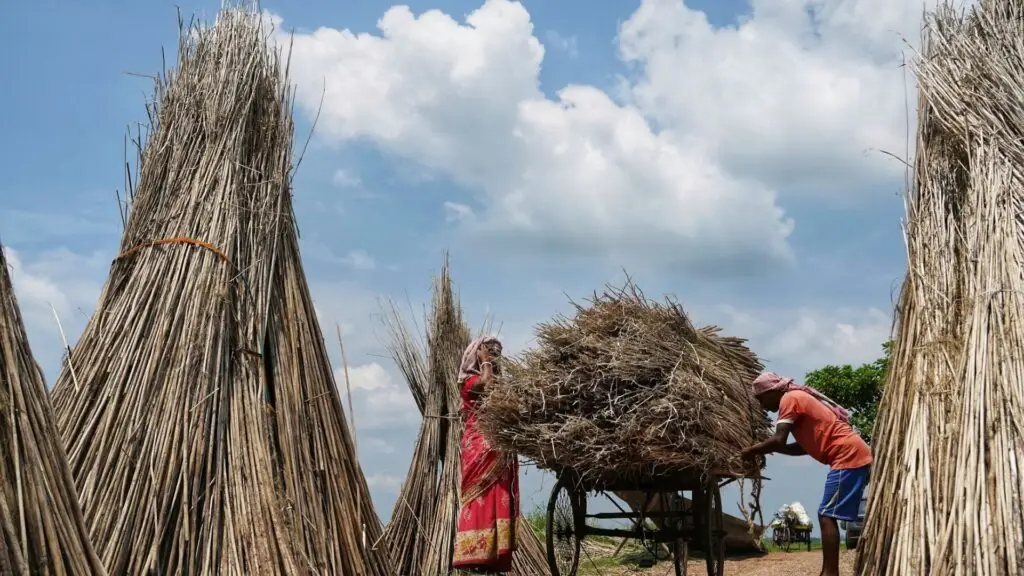
To understand the jute supply chain, you must understand its geography. Jute is a highly climate-specific crop, requiring a hot, humid climate and abundant rainfall, which are conditions perfectly met by the Ganges-Brahmaputra delta.
- The 95% Fact: India produces over 95% of the world’s finished jute goods.
- The Chinese Reality: China does not cultivate raw jute at any meaningful commercial scale.
When a brand buys a Chinese jute product, they are participating in a highly inefficient supply chain loop. Chinese manufacturers must first import raw jute from India or Bangladesh, transport it to Chinese factories, process it into bags or textiles, and then re-export it to the global buyer.
By sourcing from China, buyers are literally paying a middleman’s markup on an Indian raw material. Furthermore, West Bengal jute is globally recognized as the finest grade of the fiber, offering longer fiber lengths, superior tensile strength, and a richer natural texture than the lower-grade imported fibers typically left over for secondary processing markets.
2. The Regulatory Wall: Certifications and Compliance
Securing shelf space in modern Western retail requires a mountain of paperwork. Integrated Indian manufacturers have spent decades building out robust compliance frameworks to meet international standards.
When you source directly from tier-1 Indian exporters, you are buying into an established infrastructure backed by world-recognized certifications:
- Global Organic Textile Standard (GOTS)
- ISO Quality Management Standards
- Ecovadis Sustainability Ratings
- Global Recycled Standard (GRS)
- BRCGS (British Retail Consortium Global Standards)
- BSCI (Business Social Compliance Initiative)
Because Chinese re-exporters operate as secondary processors rather than origin manufacturers, they rarely hold these end-to-end certifications. Attempting to import uncertified jute products into highly regulated markets like the EU or the US is a massive gamble. A single compliance gap can result in customs seizures, heavy compliance fines, or an outright ban from major retail chains.
3. The ESG Trap: The Consequences of Broken Traceability
Environmental, Social, and Governance (ESG) compliance has shifted from a corporate social responsibility nice-to-have to a strict legal and financial mandate. With frameworks like the EU’s Corporate Sustainability Due Diligence Directive (CSDDD) actively penalizing opaque supply chains, transparency is non-negotiable.
India’s structured jute ecosystem offers full farm-to-finished-product traceability. Buyers can audit the exact path their product took, from the agricultural fields of West Bengal to the spinning mills and the final shipping container.
What happens when jute is routed through China?
The traceability chain breaks entirely. Once raw material crosses multiple borders and undergoes secondary processing in a country with a different regulatory climate, proving origin becomes nearly impossible.
Without a verifiable audit trail, your brand cannot legally make credible sustainability claims to your consumers. In an era where greenwashing lawsuits can destroy brand equity overnight, missing traceability is an unacceptable risk.
4. The Illusion of Cheap: The Real Cost Calculation
Let’s look at the actual math of procurement. A Chinese supplier’s quote might look cheaper on paper, but a holistic TCO (Total Cost of Ownership) evaluation reveals a different story:
| Risk & Cost Factor | Sourcing via China | Sourcing Direct from India |
| Raw Material Pricing | Inflated by middleman markups and double-handling freight costs. | Direct, origin-level pricing. |
| Lead Times & Logistics | High. Material travels India $rightarrow$ China $rightarrow$ Final Destination. | Low. Direct shipping routes from major Indian ports. |
| Quality Consistency | High risk of batch-to-batch variance due to fragmented fiber sourcing. | Consistent, high-grade West Bengal long-fiber tensile strength. |
| Market Access Risk | High. Lack of certifications can block entry to Western retail markets. | Low. Pre-certified to meet GOTS, BRCGS, and BSCI standards. |
Cut the Middleman, Secure Your Supply Chain
Jute is no longer just a cottage industry; it is a vital vertical in the global bio-economy. India possesses the purpose-built machinery, the generational expertise, the manufacturing scale, and the regulatory infrastructure required to supply the world’s largest consumer brands.
Sourcing jute through a secondary country adds unnecessary transit time, inflation, and existential compliance risks, all without adding a single percentage of value to the physical product.
To safeguard your brand’s compliance profile, optimize your logistics, and secure the highest grade material available, the strategic choice is clear: Cut out the middleman and go straight to the source.
Partner with Jutify for Your Jute Packaging Needs
If you are looking to secure your supply chain, eliminate hidden middleman markups, and guarantee absolute ESG compliance, Jutify is your ultimate destination.
As a trusted partner in high-quality, sustainable packaging, Jutify connects you directly with superior Indian manufacturing infrastructure. We deliver end-to-end traceability, global regulatory compliance, and premium West Bengal jute tailored precisely to your retail requirements.
Ready to streamline your eco-friendly packaging procurement? Let’s build a more reliable, transparent supply chain together. Reach out to our team at Jutify and get a direct, comprehensive quote for your business.