
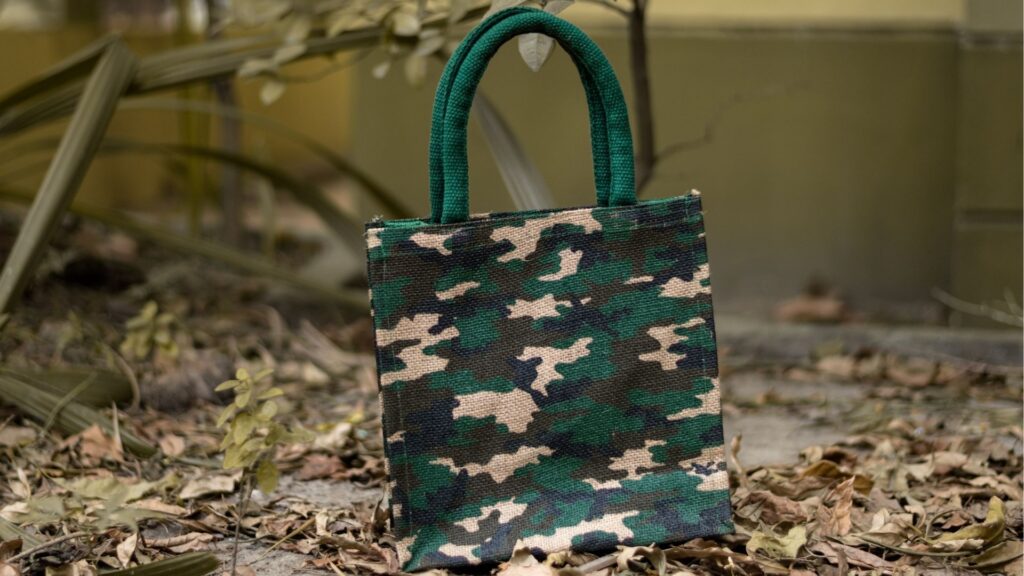
Extreme weather conditions—whether intense heat, high humidity, heavy rainfall, or cold—can quickly expose the weaknesses of conventional packaging materials. For businesses operating across diverse geographies, choosing the right packaging is not just about sustainability; it’s about performance, durability, and long-term cost efficiency.
Natural fibre bags, especially those made from jute and cotton, consistently outperform synthetic alternatives in harsh climates. Here’s why.
How Climate Impacts Packaging Performance
Packaging materials are constantly exposed to environmental stress. In harsh climates, poor material choices lead to:
- Faster material degradation
- Moisture trapping and fungal growth
- Loss of shape, strength, or usability
- Increased replacement and logistics costs
Synthetic bags may appear weather-resistant at first, but prolonged exposure often results in brittleness, cracking, or trapped moisture—especially in hot and humid regions.
Natural fibres respond very differently.
Breathability: The Biggest Advantage in Extreme Conditions
Natural fibre bags are inherently breathable. This single property makes them significantly more reliable across varying climates.
In hot and humid environments, breathability allows air circulation, preventing condensation and moisture buildup inside the bag. This reduces the risk of mold, odor, and product spoilage—critical for agriculture, food packaging, and retail storage.
In cold or fluctuating climates, breathable fibres help regulate internal temperature and humidity, protecting contents from sudden environmental changes.
Synthetic materials, by contrast, trap heat and moisture, accelerating damage to both the bag and its contents.
High Heat Resistance Without Structural Breakdown
Natural fibres like jute are well-known for maintaining strength under high temperatures. They do not soften, melt, or release harmful residues when exposed to heat, making them suitable for regions with extreme summer temperatures or long sun exposure during transport and storage.
Plastic-based bags often deform or weaken over time in high heat, especially during cross-border logistics or warehouse storage in tropical regions.
For businesses operating in warm climates, this heat tolerance directly translates into fewer losses and better reliability.
Moisture Management in Rain-Heavy Regions
Contrary to common misconceptions, natural fibre bags manage moisture more effectively than many synthetic options.
Jute and cotton fibres absorb excess moisture and release it gradually, rather than trapping it inside. This reduces internal dampness and helps protect goods such as grains, textiles, and retail inventory during monsoons or high-rainfall seasons.
When treated properly, natural fibre bags maintain their structure even in wet conditions, whereas plastic bags often create a sealed environment that encourages mold and damage.
Read more: https://www.jutify.com/how-dangerous-are-plastic-bags-for-our-environment/
Durability Under Repeated Use and Stress
Harsh climates often mean rough handling—frequent loading, unloading, stacking, and long transit times.
Natural fibre bags are:
- Strong under tensile stress
- Resistant to tearing when overloaded
- Capable of repeated use without rapid degradation
Their woven structure distributes weight evenly, making them ideal for heavy-duty and bulk applications. Over time, this durability lowers replacement frequency and overall packaging costs.
Performance Without Environmental Trade-Offs
Beyond physical performance, natural fibre bags offer a major strategic advantage: they align durability with sustainability.
They are biodegradable, renewable, and low-impact compared to petroleum-based alternatives. As global regulations tighten around plastic usage—especially in climate-sensitive regions—natural fibre packaging ensures compliance without sacrificing performance.
This makes them a future-proof choice for businesses exporting across continents or operating in regulated markets.
Why Natural Fibre Bags Are a Smarter Business Decision
Across harsh climates, natural fibre bags consistently deliver:
- Better moisture and heat management
- Longer usable life
- Lower damage rates during storage and transit
- Reduced environmental and regulatory risk
For industries like agriculture, retail, FMCG, and export-driven manufacturing, these benefits directly impact profitability, brand reputation, and operational efficiency.
Read more: https://www.jutify.com/natural-fibre-bags-zero-waste-corporate-initiatives/
Choosing the Right Manufacturing Partner Matters
The performance of natural fibre bags depends heavily on sourcing quality raw materials and precision manufacturing. Poorly produced bags can underperform regardless of fibre type.
Working with an experienced manufacturer ensures:
- Climate-appropriate weaving density
- Reinforced stitching for durability
- Custom sizing and load capacity
- Consistent quality for large-scale supply
This is where the difference between generic packaging and purpose-built solutions becomes clear.
Build Climate-Resilient Packaging with Jutify
If your business operates across challenging climates—or plans to scale globally—natural fibre bags are not just an eco-friendly choice, they’re a performance upgrade.
Jutify is a trusted jute and cotton bag manufacturer, producing durable, climate-resilient packaging solutions for brands operating across hot, humid, and demanding environments. From export-quality bulk orders to custom-designed natural fibre bags, Jutify helps businesses switch to packaging that performs reliably while meeting global sustainability standards.
👉 Partner with Jutify to create durable, climate-resilient natural fibre bags that protect your products, your margins, and your brand—across every climate you operate in.